
Are you struggling with pain in both knees due to arthritis or joint degeneration? You’re not alone. Many people suffer from chronic knee pain in both legs, affecting their daily routine and quality of life. If medication, injections, and physical therapy haven’t worked, your orthopedic surgeon might recommend a Bilateral knee replacement, also known as double knee replacement.
In this blog, Dr. Preetesh Choudhary, best joint replacement surgeon in Indore, explains everything you need to know about Bilateral Knee Replacement, from what it is, who needs it, how it’s done, and what recovery looks like. We’ll also cover the benefits, risks, and long-term outcomes to help you make a wise decision.
What Is Bilateral Knee Replacement?
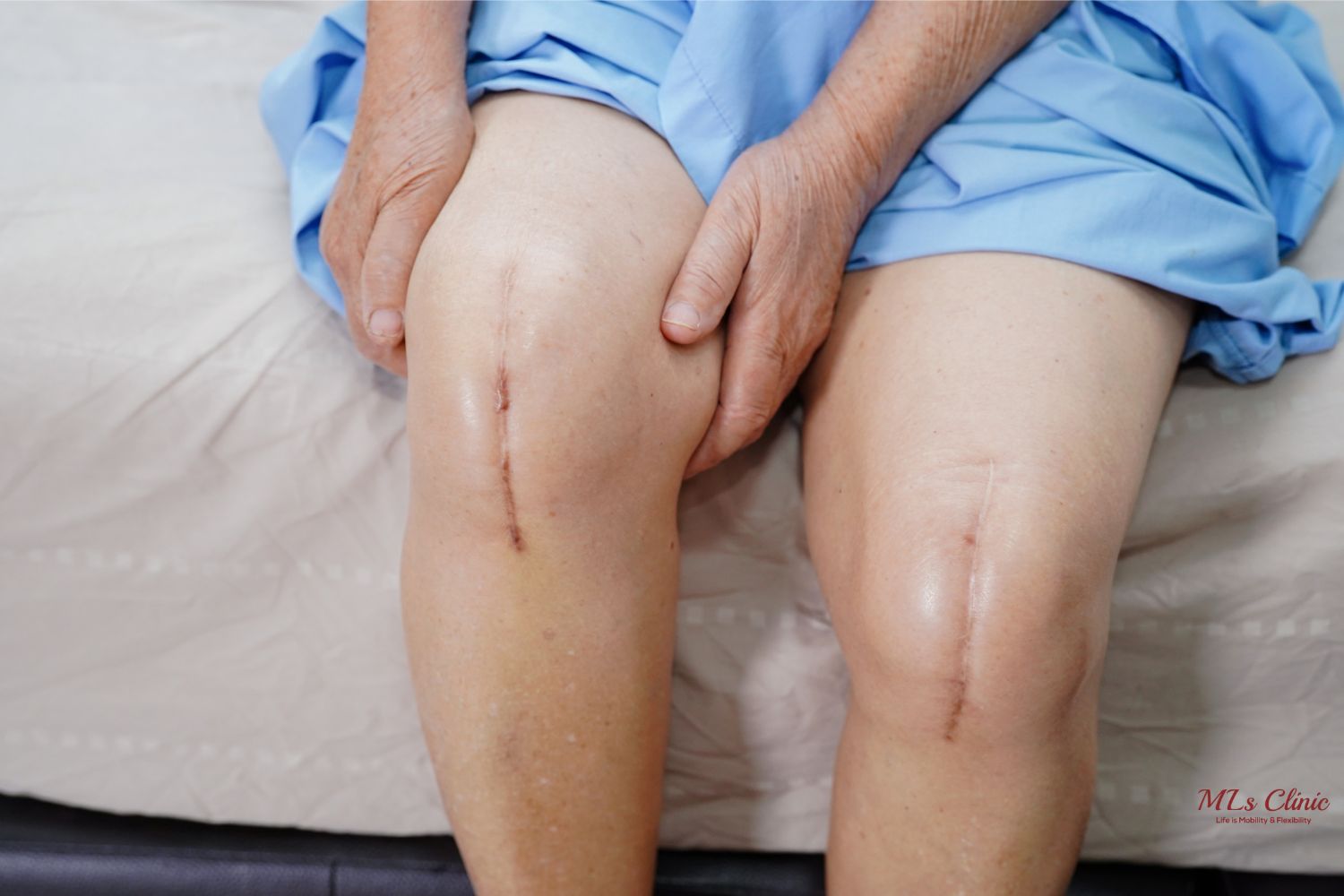
A bilateral knee replacement is a surgical procedure in which both knees are replaced with artificial joints during one single operation. The damaged cartilage and bone from the surface of each knee joint are removed and replaced with implants. These implants function like natural knees, reducing pain and improving mobility.
There are two types of bilateral knee replacement surgeries:
- Simultaneous Bilateral Knee Replacement: Both knees are replaced during the same surgery.
- Staged Bilateral Knee Replacement: Each knee is replaced in separate surgeries, usually a few months apart.
At MLS Clinic, Dr. Preetesh Choudhary, a leading knee replacement surgeon with over 18 years of experience, performs bilateral knee replacements using advanced techniques, and a patient-first approach to ensure successful outcomes.
Who Needs a Bilateral Knee Replacement?
Double knee replacement is usually recommended for patients who:
- Have severe arthritis or joint damage in both knees.
- Experience pain, stiffness, and swelling in both knees that hinders one’s daily activities.
- Have tried non-surgical treatments like medications, physiotherapy, and injections without relief. It is most commonly performed in patients with advanced osteoarthritis, rheumatoid arthritis, or post-traumatic arthritis affecting both knees equally.
Surgical Procedure
A general overview of the procedure:
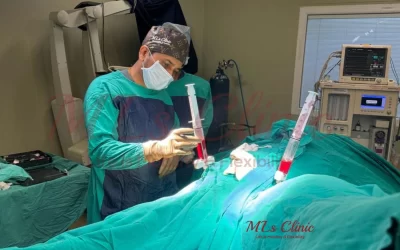
- Anesthesia: You will receive either general anesthesia (where you are completely asleep) or regional anesthesia (such as a spinal or epidural block, which numbs the lower body).
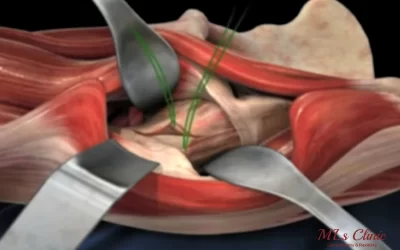
- Incision: Incisions are made over both knees to access the joint. The length and specific placement of the incisions may vary based on individual anatomy and surgical technique.
- Bone Preparation: The damaged cartilage and bone surfaces at the ends of the thigh bone and shin bone are precisely removed.
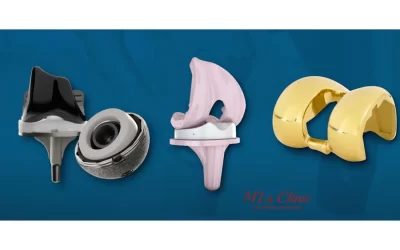
- Implant Placement: Implants can be of different types: Titanium, Cobalt, or Zirconia. Metal components are then attached to the ends of the femur and tibia. These components are designed to replicate the smooth gliding surface of a healthy knee joint.
- Spacer Insertion: A durable plastic spacer is inserted between the metal components to provide a smooth gliding surface and allow for movement.
- Closure: The incisions are carefully closed with sutures or staples. Dressings are applied to protect the surgical sites.
To know more about the Benefits and Risks of Bilateral Knee replacement, Read Here: https://mlsclinic.com/benefits-and-risks-bilateral-total-knee-replacement/
Navigating the Recovery Journey
The recovery period after bilateral knee replacement is crucial for achieving the best possible outcome.
- Immediate Post-Surgery: You will be closely monitored in the hospital. Pain management will be a priority, typically involving a combination of medications.
- Hospital Stay: The typical hospital stay after double knee replacement is around 3 to 5 days. During this time, you will work with physical and occupational therapists to progress your mobility, learn to use assistive devices like walkers and practice daily living activities.
- Rehabilitation: Once you are discharged home, a comprehensive rehabilitation program is essential. This will typically involve outpatient physical therapy sessions several times a week, along with a home exercise program that you will need to perform diligently.
- Timeline for Recovery: While individual recovery timelines vary, you can generally expect to:
- Transition to less or no assistance with walking over several weeks to months.
- Walk with assistance within a few days to weeks.
- Experience significant pain reduction within a few weeks.
- Continue to improve strength, range of motion, and functional abilities for up to a year or even longer.
Choosing the Right Surgeon
- Prioritize Specialization in Knee Surgery: When choosing a surgeon, it’s essential to select one who specializes in knee replacement surgeries, especially bilateral procedures.
- Evaluate Experience and Track Record: Consider the surgeon’s experience with knee replacement surgeries, including their success rate and the number of procedures they’ve performed.
- Understand the Surgical Approach: Different surgeons may use varying techniques, including minimally invasive surgery or robotic-assisted methods.
- Look for Positive Patient Feedback: Take the time to read patient reviews and testimonials to gauge the surgeon’s bedside manner and ability to communicate effectively.
- Ensure Comprehensive Post-Surgery Care: A surgeon should not only perform the surgery but also provide strong post-operative care. Dr. Preetesh Choudhary, with his extensive experience and expertise in knee replacement surgeries, offers personalized care to ensure the best outcomes for his patients.
Tips for a Smooth Recovery
To ensure the best results after your bilateral knee replacement:
- Dr. Preetesh, leading orthopedic surgeon, ensures each patient is guided with the best recovery techniques.
- Don’t skip physical therapy sessions.
- Eat a healthy diet to support healing.
- Avoid high-impact sports like running or jumping.
- Maintain a healthy body weight to reduce stress on your new joints.
Conclusion
Undergoing bilateral knee replacement is a significant decision, but for many individuals suffering from severe pain in both knees, it gives them a chance to move easily, reduce their pain, and enjoy life again. Imagine being able to walk without wincing, climb stairs with ease, and return to the activities you once enjoyed. If you are experiencing significant pain in both knees and believe that bilateral knee replacement might be the right path for you, you must schedule a consultation with Dr. Preetesh for expert advice.
At MLS Clinic, our priority is to provide expert care with a strong focus on your individual needs and comfort. Dr.Preetesh, Best Orthopedic Doctor, offers advanced surgical solutions in modern facilities, utilizing high-quality implants. Our commitment extends beyond the operation itself, with personalized physiotherapy and ongoing support designed to guide you through your recovery.