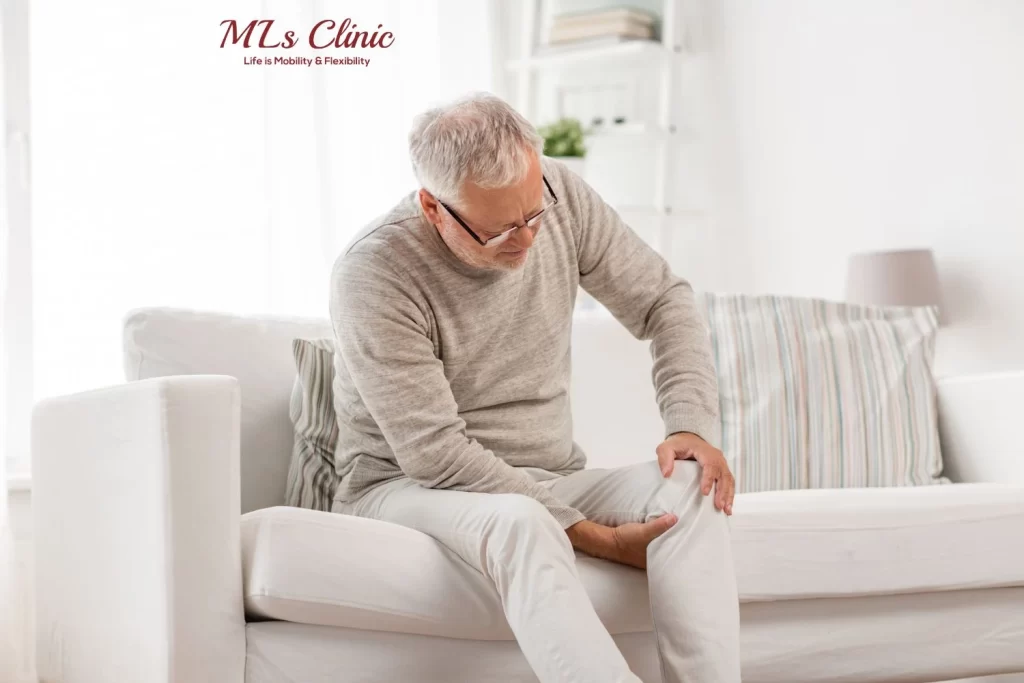
As we age, our bodies naturally go through changes, and one of the areas most affected is our joints. Joints are the connection points between bones that allow movement, flexibility, and strength. Over time, aging can bring about joint problems that reduce mobility, cause pain, and impact daily activities. Understanding these changes and how to care for your joints can help maintain a healthy and active lifestyle well into your golden years.
yIn this blog by Dr. Preetesh Choudhary– Best Joint Replacement Surgeon, we discuss some common joint problems that the elders face and some healthcare tips for them!
Table of Contents
How Aging Affects Your Joints?
Our joints are made up of bones, cartilage, ligaments, tendons, and synovial fluid. These components work together to allow smooth movement and absorb shocks. But with age, several changes occur:
- Cartilage Wear and Tear:
Cartilage is a smooth, rubbery tissue that cushions the ends of bones in joints. As you age, this cartilage can thin and lose its ability to absorb shocks, leading to stiffness and pain. This wear and tear is a major factor in osteoarthritis, the most common joint disease in older adults. - Decreased Synovial Fluid:
Synovial fluid lubricates joints, reducing friction during movement. With age, the amount and quality of this fluid decrease, making joints less flexible and more prone to stiffness. - Weakened Muscles and Ligaments:
Muscles and ligaments support the joints and keep them stable. Aging can cause muscle mass and ligament strength to decline, which may increase the risk of joint injuries and instability. - Bone Density Loss:
Bones also become thinner and weaker with age, a condition known as osteoporosis. Weaker bones can affect the joints and increase the chances of fractures, especially in weight-bearing joints like the hips and knees.
Common Joint Problems in the Elderly

Aging joints are more susceptible to several conditions, including:
- Osteoarthritis: This is the most frequent joint problem in older adults, causing joint pain, swelling, and reduced movement. It mostly affects the knees, hips, hands, and spine.
- Rheumatoid Arthritis: An autoimmune condition that causes joint inflammation and damage. Though it can occur at any age, symptoms often worsen with age.
- Bursitis and Tendinitis: Inflammation of the bursae (fluid-filled sacs) or tendons can cause joint pain and limit movement.
- Joint Stiffness and Reduced Mobility: General stiffness can make daily activities like walking, climbing stairs, or even getting up from a chair difficult.
Tips to Care for Aging Joints
Taking care of your joints is essential to staying active and pain-free as you age. Here are some practical tips by Dr. Preetesh Choudhary, Top Orthopedic Surgeon:
1. Stay Active with Low-Impact Exercises
Activities like walking, swimming, and cycling help maintain joint flexibility and strengthen muscles around the joints without putting excessive stress on them. Regular movement also helps keep the synovial fluid circulating.
2. Maintain a Healthy Weight
Extra body weight puts added pressure on weight-bearing joints like the knees and hips, accelerating cartilage wear. Losing even a small amount of weight can significantly reduce joint pain and improve mobility.
3. Follow a Balanced Diet
Eating foods rich in calcium, vitamin D, and omega-3 fatty acids supports bone and joint health. Dairy products, leafy greens, fish, nuts, and seeds are excellent choices.
4. Use Proper Posture and Body Mechanics
Avoid slouching or staying in one position for too long. When lifting objects, use your legs rather than your back to prevent joint strain.
5. Manage Pain and Inflammation
Over-the-counter pain relievers or anti-inflammatory medications can provide relief. However, it’s important to consult an orthopedic specialist before starting any medication.
6. Consider Physical Therapy
A physiotherapist can design a customized exercise program to strengthen muscles and improve joint function safely.
7. Avoid High-Impact Activities
Limit activities that put excessive stress on joints, such as running on hard surfaces or heavy lifting, to prevent further damage.
8. Heat and Cold Therapy:
Applying heat can help soothe stiff joints and relax muscles, while cold packs can reduce swelling and pain.
Conclusion
Aging is a natural process, but joint problems don’t have to slow you down. With proper care, exercise, and medical support, you can keep your joints healthy and enjoy an active lifestyle. Life keeps moving, and our joints are what help us stay in step.
What Makes MLs Clinic Different?
Every patient who walks through the doors of MLS Clinic carries a story, a story of pain, hope, and the desire to move freely again. We listen carefully to those stories because understanding the person behind the injury is just as important as treating the injury itself.With over 18 years of experience, Dr. Preetesh Choudhary, Leading Joint Surgeon in Indore, leads our team in providing advanced orthopedic care. Using the latest techniques, we focus on precise diagnosis and treatments that match each patient’s unique situation. Whether it’s healing a sports injury or managing age-related joint problems, our goal is to help you reclaim an active, pain-free life.