
Are you also the one who is suffering from constant Knee Pain? Are you the one who has been told to undergo a Knee Replacement Surgery? Are you also confused about which implant would be best for your Knee Replacement? Then do not worry, Dr. Preetesh Choudhary, Best Joint Replacement Surgeon, has got your back, he will guide you through the types of knee implants, knee implants materials and the best knee implant for you.
What is a Knee Implant?
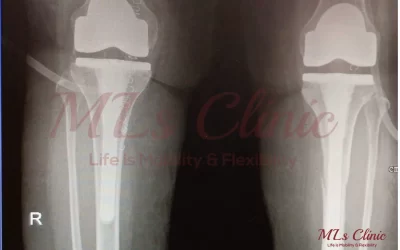
A knee implant is an artificial knee joint designed to replace a worn-out or damaged knee joint. It copies the function of a natural knee, allowing smooth movement and reducing pain. Knee implants are typically made of a combination of metal, polyethylene and ceramic materials which are chosen for their durability, biocompatibility and ability to withstand the body’s natural movements.
Cemented vs. Uncemented Knee Implants- Which are right for you?
When undergoing knee replacement surgery, one important decision is choosing between a cemented or uncemented implant. Both options have their advantages and some disadvantages but the right choice depends on the factors like age, bone quality and activity level.
- Cemented Knee Implants- Cemented knee implants are the most commonly used type in Total Knee Replacement Surgery. These implants are fixed to the bone using bone cement (polymethyl methacrylate or PMMA), which acts like a strong adhesive, securing the implant in place.
- Uncemented Knee Implants- Uncemented Knee Implants also called as press-fit implants, do not use cement for fixation. Instead, they rely on the natural growth of bone into the implant’s surface, securing it in place over time. These implants often have a porous coating that encourages bone integration.
Components of Knee Implants-

When you are undergoing a Knee Replacement Surgery then it is important to know about the three main components of knee implants, which are-
- Femoral Component (Thigh Bone Cap)- The femoral component is the upper part of the implant that covers the thigh bone (femur) and articulates with the tibia below. This part must be highly durable, resistant to wear and smooth to allow natural knee movement.
- Tibial Component (Shin Bone Cap)- The tibial component is the lower part of the implant, covering the shin bone (tibia) and supporting the femoral component. Since this part bears most of the body’s weight, it must be extremely strong and capable of integrating with bone.
- Polyethylene Spacer Material (Cartilage Replacement)- Between the femur and tibia components, a polyethylene spacer is placed to act as a cartilage substitute which reduces friction and allows smooth movement of the knee joint.
Materials Used in Knee Implants-
- Metal Components- Most of the knee implants consist of metal components that cover the thigh bone (Femur) and shin bone (Tibia). The metals which are used are chosen for their strength and durability. Most common metals used are-
- Cobalt- Chromium Alloys- These are considered to be one of the most commonly used knee implant materials, offering excellent strength, longevity, higher durability and are resistant to wear & tear. However, these implants cannot be used in all patients due to their allergic reactions to Cobalt or Chromium.
- Titanium and Titanium Alloys- These implants are very lightweight which reduces the stress around the surrounding bones. These implants are often used in patients with metal sensitivities as these are less prone to corrosion and allergic reactions.
- Gold knee implants coated with titanium nitride or zirconium nitride offer enhanced smoothness, hardness, and corrosion resistance. These coatings are especially beneficial for patients with metal allergies.
- Gold knee implants coated with titanium nitride or zirconium nitride offer enhanced smoothness, hardness, and corrosion resistance. These coatings are especially beneficial for patients with metal allergies.
- Oxidized Zirconium (Ceramic-Coated Metal)- This is one of the best knee implant materials for younger, more active and athletic patients due to their longevity. They offer a smooth surface and reduce wear & tear of the knee joint. It has a lesser risk of metal allergies compared to Cobalt-Chromium Alloys.
- Oxinium knee- These implants are made from oxidized zirconium. Through a ceramicization process, they become twice as hard and smoother than traditional ceramic implants, resulting in reduced wear and a lower risk of implant loosening.
- Polyethylene Components- Polyethylene is a high-quality medical-grade component used as a spacer between the metal parts of the implant. It replaces the natural cartilage in the knee, allowing smooth movement and reducing friction. The best part about it is that it is highly durable as these advanced polyethylene materials(Vitamin- E Poly) last longer than older versions, have improved longevity and unlike metal components, polyethylene is less likely to cause allergies.
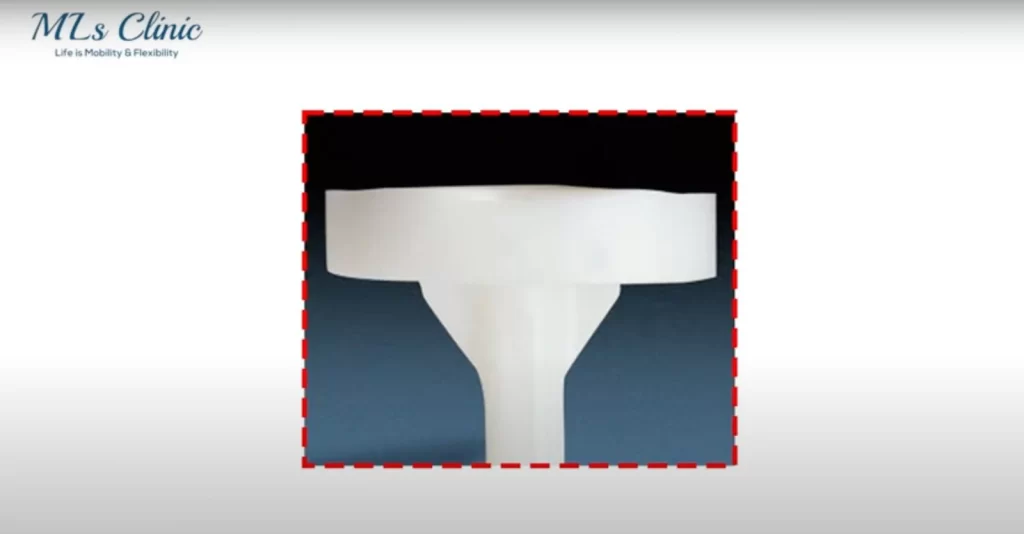
- All-poly implants– These implants feature a single-piece construction where the polyethylene spacer and tibial tray are combined into one solid block. These implants are primarily used in patients with rheumatoid arthritis.
- Ceramic Components- Ceramic Components are used very less because even if they are durable, they are considered brittle compared to other metals as they are more prone to fractures under extreme stress. They are famous for their extremely soft surface as they increase implant’s lifespan, lowering friction and tears.
Which is the Best of All Knee Implant Materials for You?
The best implant for knee replacement depends on the several factor, which are-
- Patient’s Age- If a younger patient is wanting to get his knee replaced then it is considered that he would be benefitted from ceramic-coated implants or cross-linked polyethylene due to their longevity.
- Allergies- Patients with Metal Allergies should consider Titanium or Ceramic Implants as they are more biocompatible.
- Bone Strength- Patients with weak bones may require implants that encourage bone growth such as titanium-based implants.
- Longevity- If the patient’s priority is longevity then Oxidized Zirconium Implants are considered to be the best choice.
- Activity Levels- If the patient’s activity level is high or the patient is an athlete then Ceramic-coated Implants or Cross-linked polyethylene will benefit them.
Conclusion-
The knee implant materials are a key factor in determining the success of your knee replacement surgery. With advancements in technology, modern knee implants are offering superior durability, comfort and compatibility with the human body. If you are someone who wants to undergo a Partial Knee Replacement Surgery or a Total Knee Replacement Surgery then do not delay this and book your appointment at MLs Clinic renowned Orthopaedic Clinic where Dr. Preetesh Choudhary, Knee Replacement Specialist provides you the best medical treatment with the advanced technologies.