
When we think of orthopedic problems, we often associate them with injuries, aging, or lifestyle habits. But did you know that your family history can also play a significant role in your bone and joint health? Genetics can influence everything from how strong your bones are to your risk of developing certain musculoskeletal disorders.
At MLS Clinic, Dr. Preetesh Choudhary, best joint replacement surgeon, understands the intricate connection between our genes and our musculoskeletal well-being. He has seen firsthand how inherited factors can contribute to a range of orthopedic issues. Understanding this genetic component is not about fatalism; rather, it empowers us to identify risks, facilitate earlier diagnosis, and potentially tailor management strategies for improved long-term orthopedic health.
How Genetics Affects Orthopedic Health
Our genes provide the instructions for building and maintaining every tissue in our body, including the components of our musculoskeletal system. These genes determine many physical traits, such as height and eye color, but they can also impact how bones, joints, and muscles develop and function. In some cases, gene mutations or abnormalities can lead to orthopedic conditions that may appear early in life or later as a person ages.
While many common orthopedic problems like osteoarthritis are multifactorial (involving a complex interplay of genetics, age, injury, and lifestyle), a genetic predisposition can increase an individual’s susceptibility. For instance, if you have a family history of early-onset osteoarthritis, you might be at a higher risk of developing it yourself, even with a relatively active lifestyle. This doesn’t mean you will definitely get it, but it highlights the influence of your genetic inheritance.
Common Inherited Orthopedic Conditions
Let’s look at some of the orthopedic conditions that have a genetic component:
- Osteogenesis Imperfecta (Brittle Bone Disease):
This is a rare genetic disorder in which bones break easily, often with little or no apparent cause. It occurs due to mutations in genes responsible for collagen production, a protein that provides strength to bones.
- Hereditary Multiple Exostoses (HME):
A condition where multiple benign bone growths (osteochondromas) appear on the bones, often during childhood. These can cause deformity, pain, and restricted movement and may require surgical correction.
- Scoliosis (Spinal Curvature)
Although scoliosis can develop from various causes, many cases, especially idiopathic scoliosis in adolescents, have a strong genetic link. If a parent or sibling has scoliosis, the risk increases.
- Developmental Dysplasia of the Hip (DDH):
This is a congenital condition where the hip joint doesn’t form properly in infants and children. It often runs in families and, if diagnosed early, can usually be treated with braces or surgery.
- Marfan Syndrome:
This genetic disorder affects the body’s connective tissue, which provides support for all organs and tissues.Orthopedic manifestations are common and can include tall stature, long limbs and fingers (arachnodactyly), scoliosis (curvature of the spine), joint hypermobility, and foot deformities.
- Achondroplasia:
This is the most common form of short-limbed dwarfism and is caused by a mutation in the FGFR3 gene. It affects bone growth, particularly in the long bones of the arms and legs. Individuals with achondroplasia often have characteristic physical features, including disproportionately short limbs, a large head with a prominent forehead, and a flattened nasal bridge.
Importance of Family History in Orthopedics
When you visit MLS Clinic for an orthopedic concern, providing a detailed family medical history is an essential part of your evaluation. Knowing if other family members have experienced similar orthopedic problems, early-onset arthritis, or been diagnosed with inherited connective tissue disorders can provide valuable insights into your potential risks and help guide the diagnostic process.
Dr. Preetesh, Sports Injury Surgeon, emphasizes the importance of this information in several ways:
- Risk Assessment: Family history can help identify individuals who may be at a higher risk for certain orthopedic conditions, allowing for earlier monitoring and preventative strategies.
- Differential Diagnosis: When evaluating your symptoms, knowing your family history can help narrow down the list of possible diagnoses.
- Personalized Treatment Plans: Understanding any underlying genetic predispositions can influence the choice of treatment and rehabilitation strategies to optimize outcomes.
Treatment and Management of Inherited Orthopedic Conditions
The treatment of genetically influenced orthopedic conditions varies depending on the condition, its severity, and the patient’s age. It may include:
- Non-surgical options: Bracing, physical therapy, and pain management.
- Surgical intervention: In cases like scoliosis, hip dysplasia, or multiple exostoses, surgery may be needed to correct deformities and restore function.
- Lifestyle modifications: Strengthening exercises, joint protection techniques, and diet adjustments to support bone health.
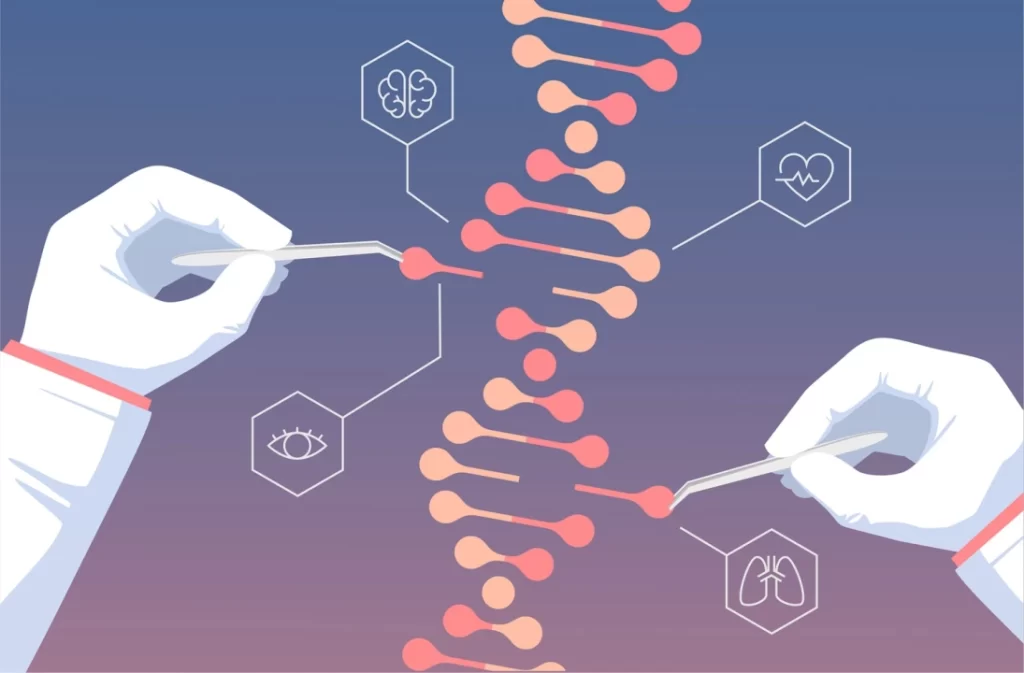
Can You Prevent Genetic Orthopedic Conditions?
While you can’t change your genes, you can take steps to reduce your risk or manage the impact of inherited orthopedic issues:
- Regular Check-Ups: Early diagnosis can prevent complications. Regular monitoring is especially important for children with a family history of bone or joint problems.
- Exercise Wisely: Low-impact activities like swimming and cycling can strengthen bones and joints without overstraining them.
- Balanced Diet: Adequate calcium, vitamin D, and protein intake helps maintain bone strength.
- Protect Your Joints: Avoid repetitive stress and follow proper techniques during physical activities to prevent injuries.
Conclusion
Genetics plays a significant role in shaping our orthopedic health. From birth defects to progressive joint disorders, inherited conditions can impact mobility, function, and quality of life. Understanding your family history and working closely with an experienced orthopedic specialist like Dr. Preetesh Choudhary can help manage these risks effectively.